Why this project
The Studio Shed's mini split is hardwired, so a plug-in battery can't back it up directly — and at ~2.5 kWh/day of cooling, a 288 Wh unit wouldn't carry it for long anyway. The questions that matter for small spaces are more practical: how much of the rated capacity is really usable, how much energy is lost charging it, how long it can keep a refrigerator cold in an outage, whether it can keep networking and monitoring gear online, and whether it can work as part of an integrated system rather than a standalone app. Those are the tests below.
Test Plan
Each test will be logged here with method, raw readings, and photos. Measurements use a Kill-A-Watt meter and a logging smart plug in series, cross-checked against the Bluetti app.
-
Setup & firmware update Done
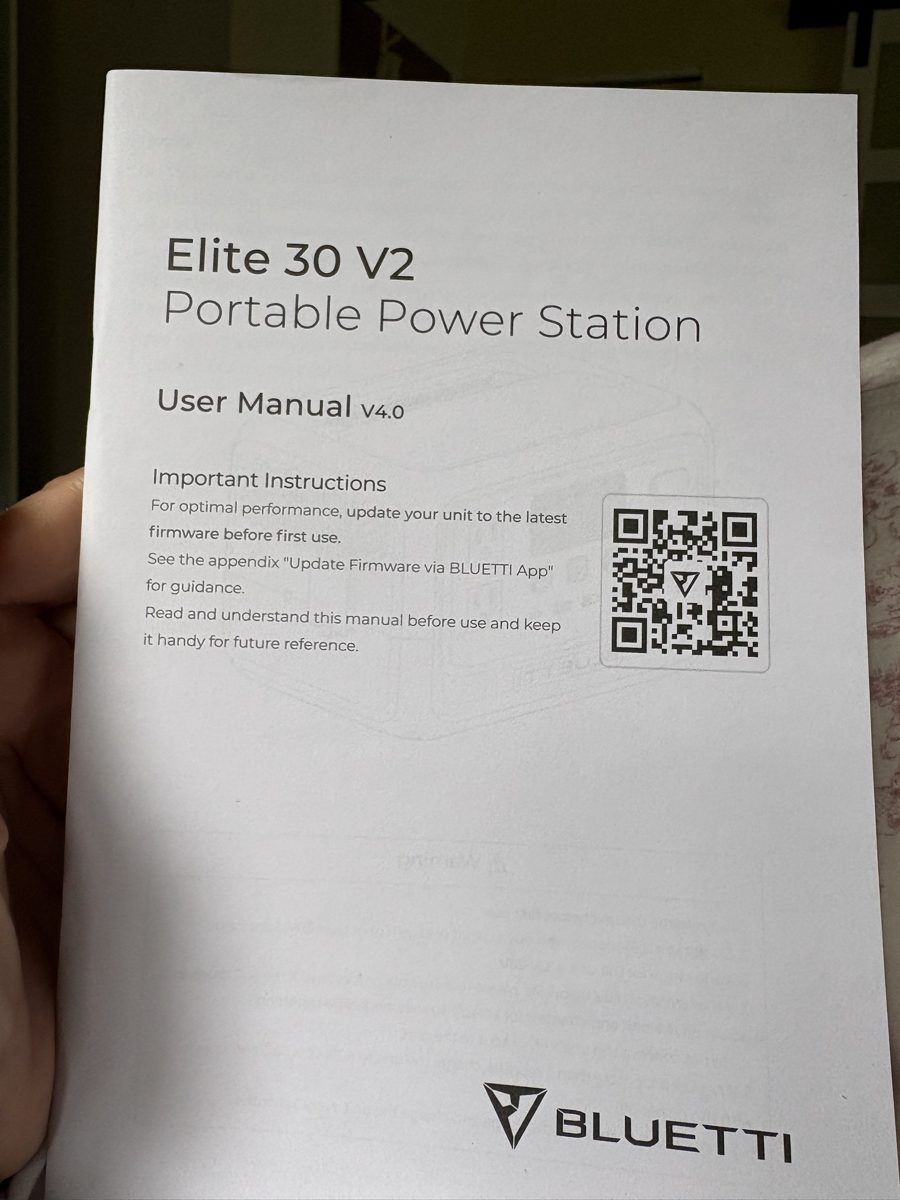
Paired with the BLUETTI app and updated firmware as the manual recommends. Setup findings are in the September 30 log entry.
-
Real usable capacity Done
Full charge, then a steady load on the AC outlets (ECO off) until automatic shutoff. Result: ≈228 Wh delivered, ≈79% of rated at a 43 W lighting load — see the October 1–2 log entry. A heavier-load run is planned for comparison.
-
Round-trip efficiency Done
Wall energy in during recharge vs. AC energy out. First result ≈60% — see the October 1–2 log entry. Back-to-back repeat at a heavier load planned.
-
Refrigerator runtime Up next
How many hours the unit keeps a real refrigerator running — the outage scenario small-space owners ask about most.
-
UPS switchover Planned
Pull the plug and see whether router and monitoring equipment stay online through the rated 10 ms switchover.
-
Integration: beyond the app Planned
Can the Bluetti report its state of charge and power flows to Home Assistant — locally or through the cloud — or is its data locked inside the BLUETTI app? The testbed already runs Craftstrom, Emporia, and Govee apps. EcoSnap's goal is one integrated DIY system, not one more app per device.
Rated Specifications
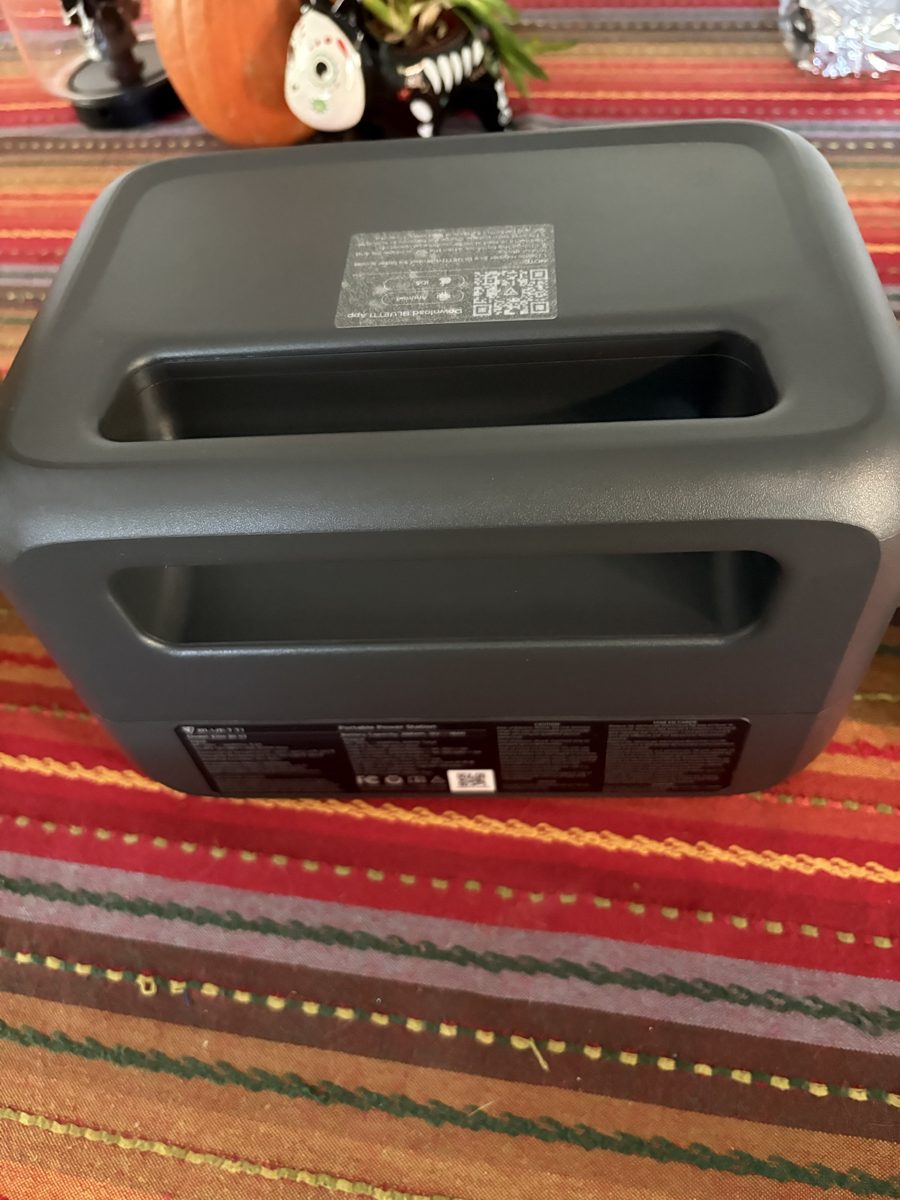
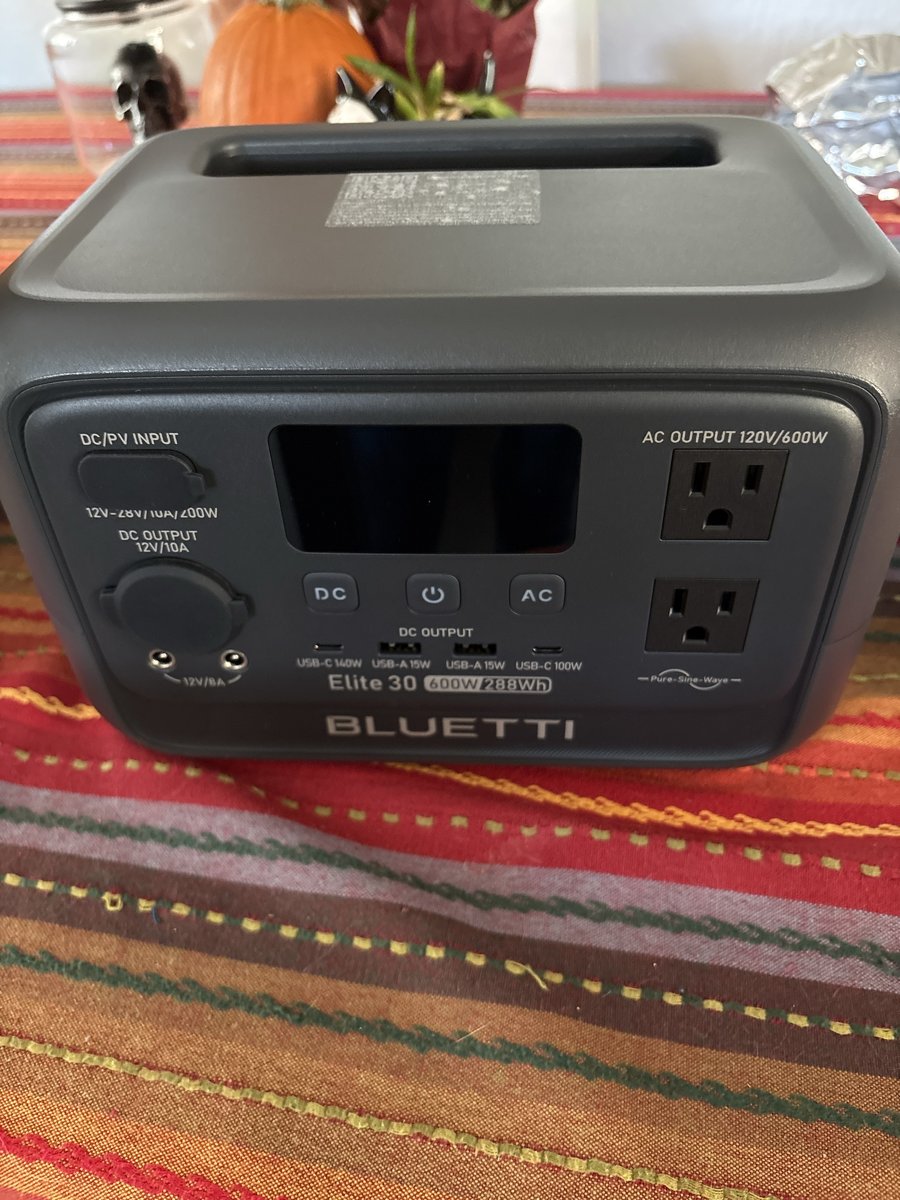
As printed on the unit's rating label — the baseline our measurements are compared against.
| Battery capacity | 288 Wh · 16 V ⎓ 18 Ah |
|---|---|
| AC input | 120 V~ 50/60 Hz, 8.2 A |
| DC / PV input | 12–28 V ⎓ 10 A, 200 W max |
| AC output | 120 V~ 50/60 Hz, 600 W total (2 outlets, pure sine wave) |
| USB-C | 140 W (with E-Marker chip) and 100 W |
| USB-A | 2 × 5 V ⎓ 3 A |
| 12 V DC | Car outlet 12 V ⎓ 10 A · 2 × DC5521 12 V ⎓ 5 A each (8 A total) · DC output 350 W max |
| Combined output | AC + DC 600 W max |
| Charging temperature | 0–40 °C (32–104 °F) |
| Discharging temperature | −20–40 °C (−4–104 °F) |
| Manufacturer | PT Poweroak Energy Indonesia · Made in Indonesia |
Chemistry (LiFePO4) per Bluetti's product listing.
Project Log
Newest entries first.
October 1–2, 2026
Capacity & round-trip efficiency
Result: about 228 Wh delivered at the AC outlet — roughly 79% of the 288 Wh rating — and about 60% round-trip efficiency, wall to outlet.
| Load | Mixed CFL + LED lamp, ≈43 W real power, power factor 0.68 (≈66 VA) |
|---|---|
| Discharge | 100% → automatic cutoff, 7:14 AM – ≈12:31 PM (≈5 h 17 min), ECO mode off, wall cord unplugged |
| AC energy out | ≈228 Wh (Govee 224.4 Wh after a 5-minute late start + ≈4 Wh; Kill-A-Watt agreed at every checkpoint) → ≈79% of rated |
| Recharge | 0% → 100%, ≈200 W tapering near full, 2 h 08 min |
| Wall energy in | ≈380 Wh (Kill-A-Watt 0.38 kWh) |
| Round-trip efficiency | ≈60% (228 ÷ 380) |
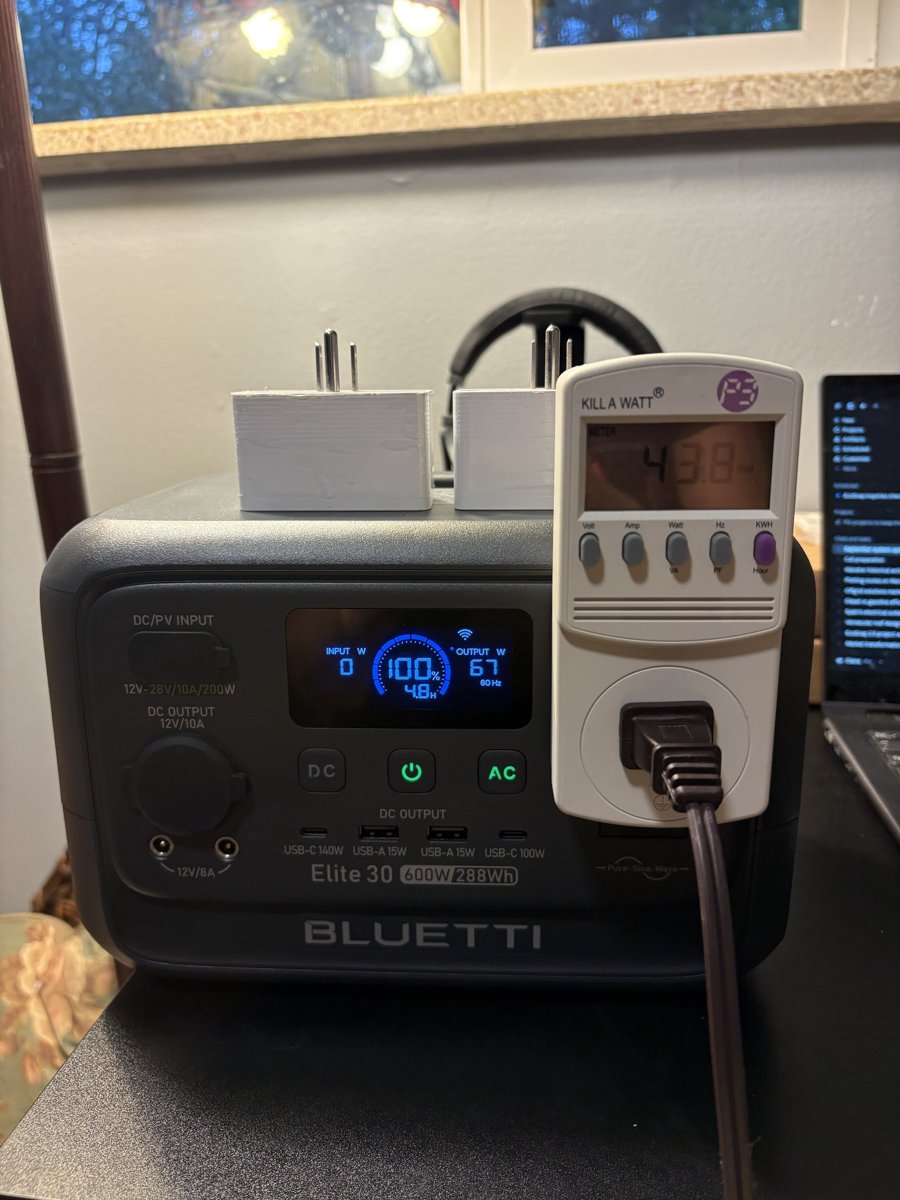
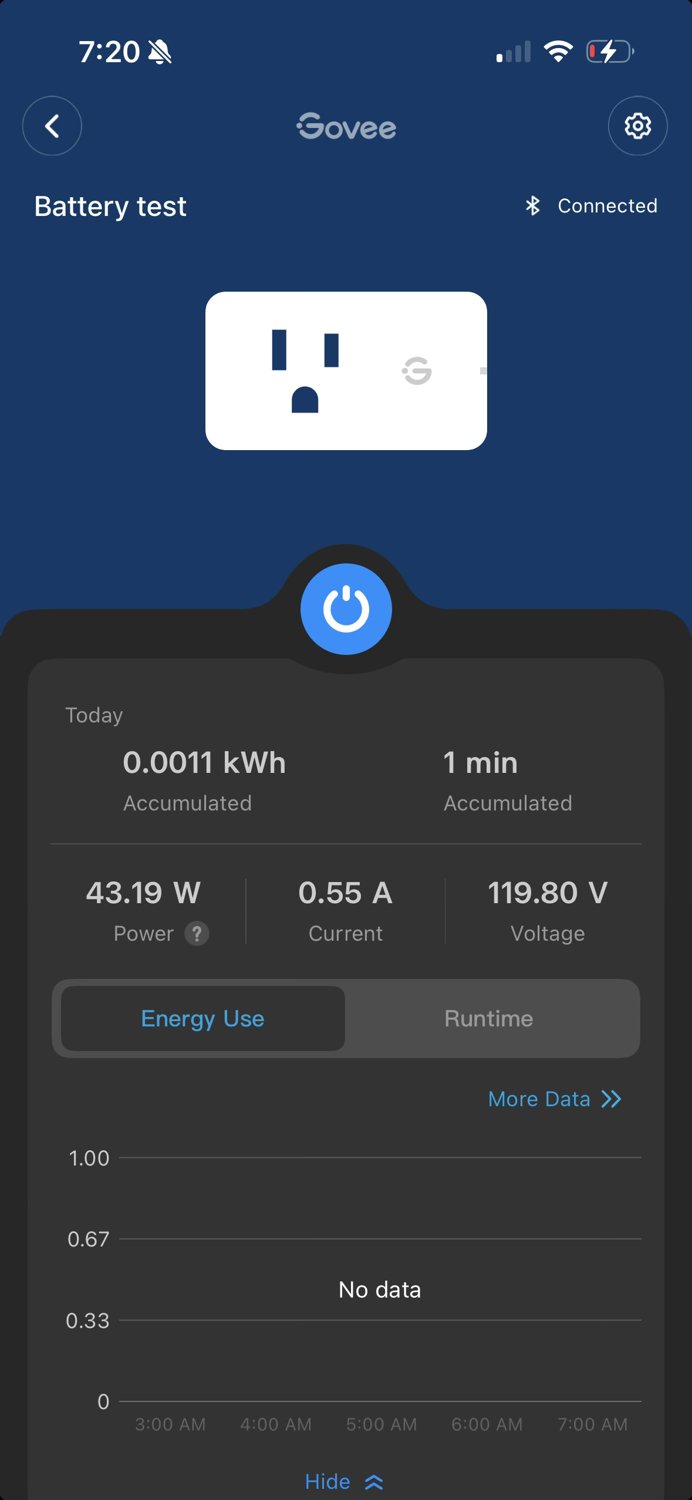
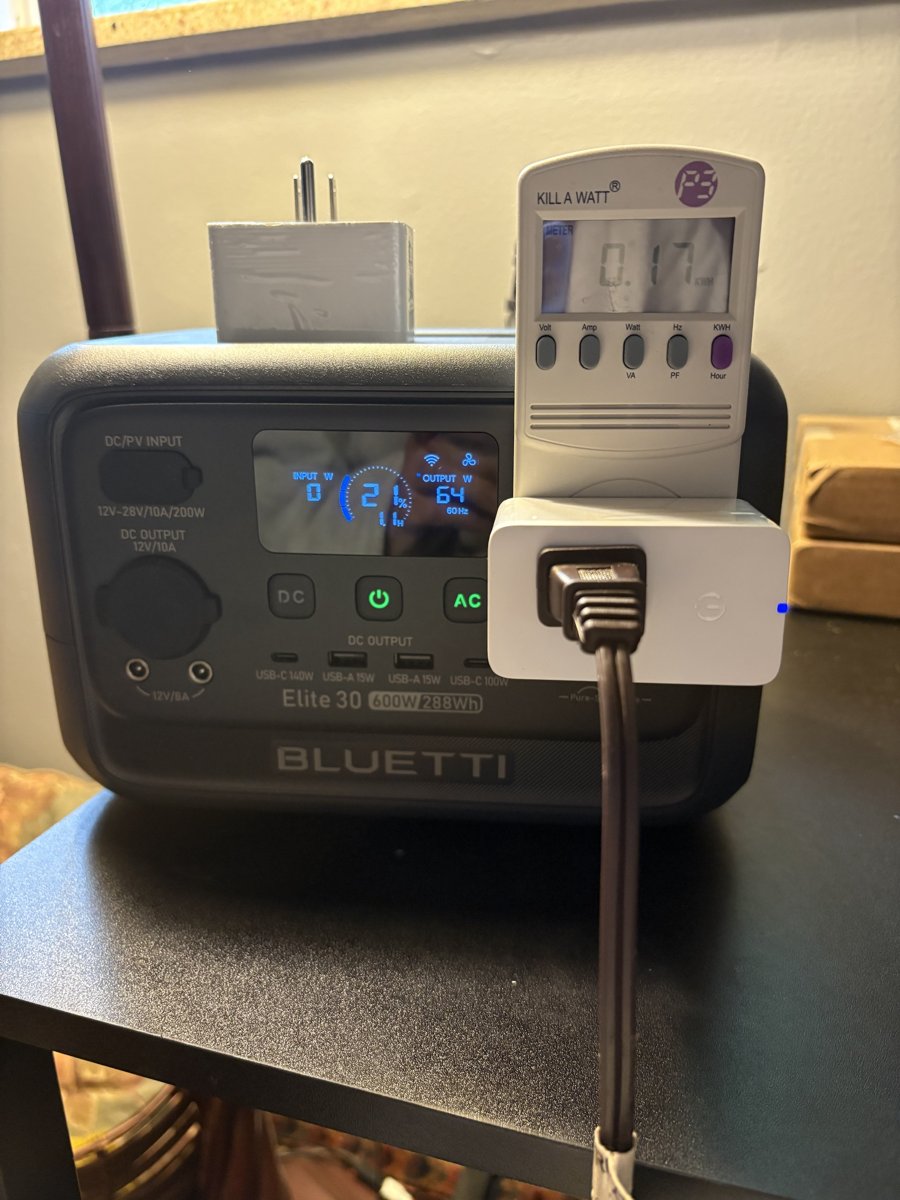
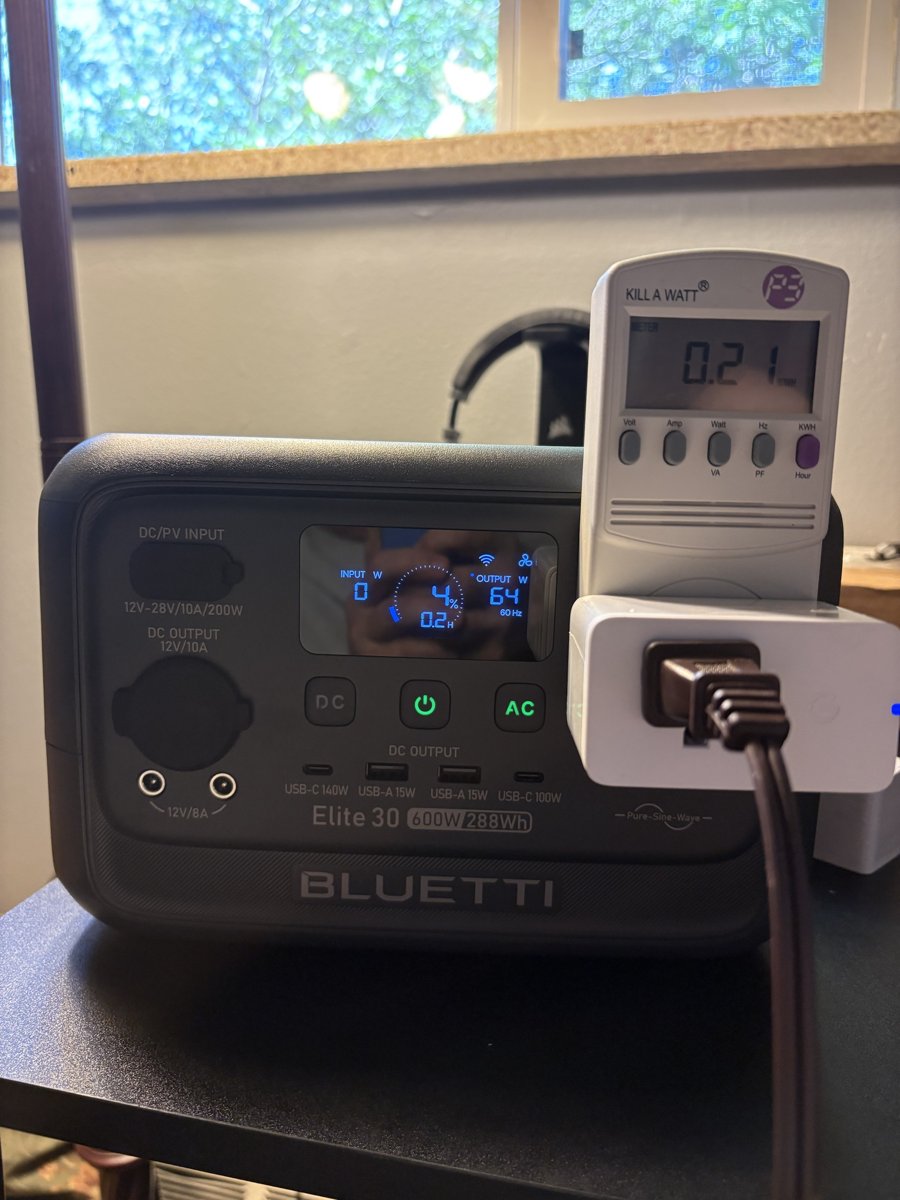
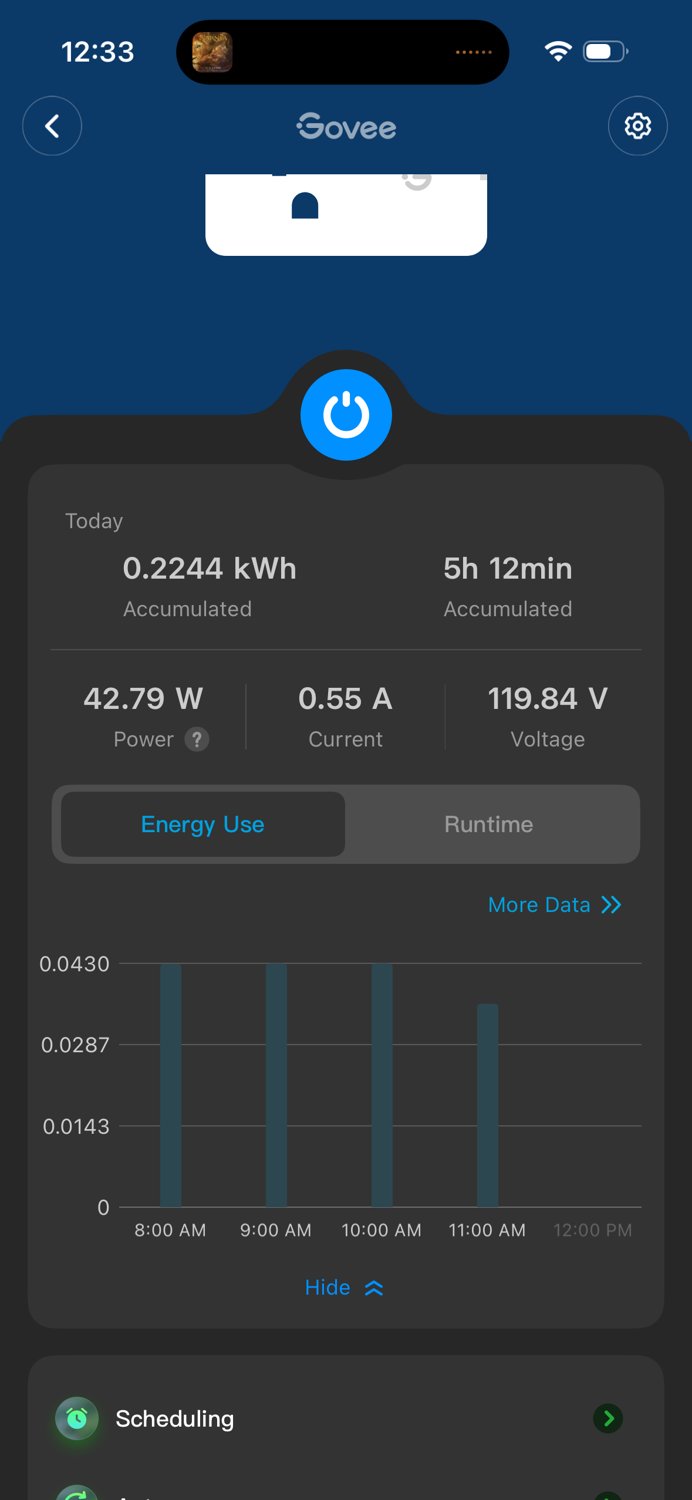
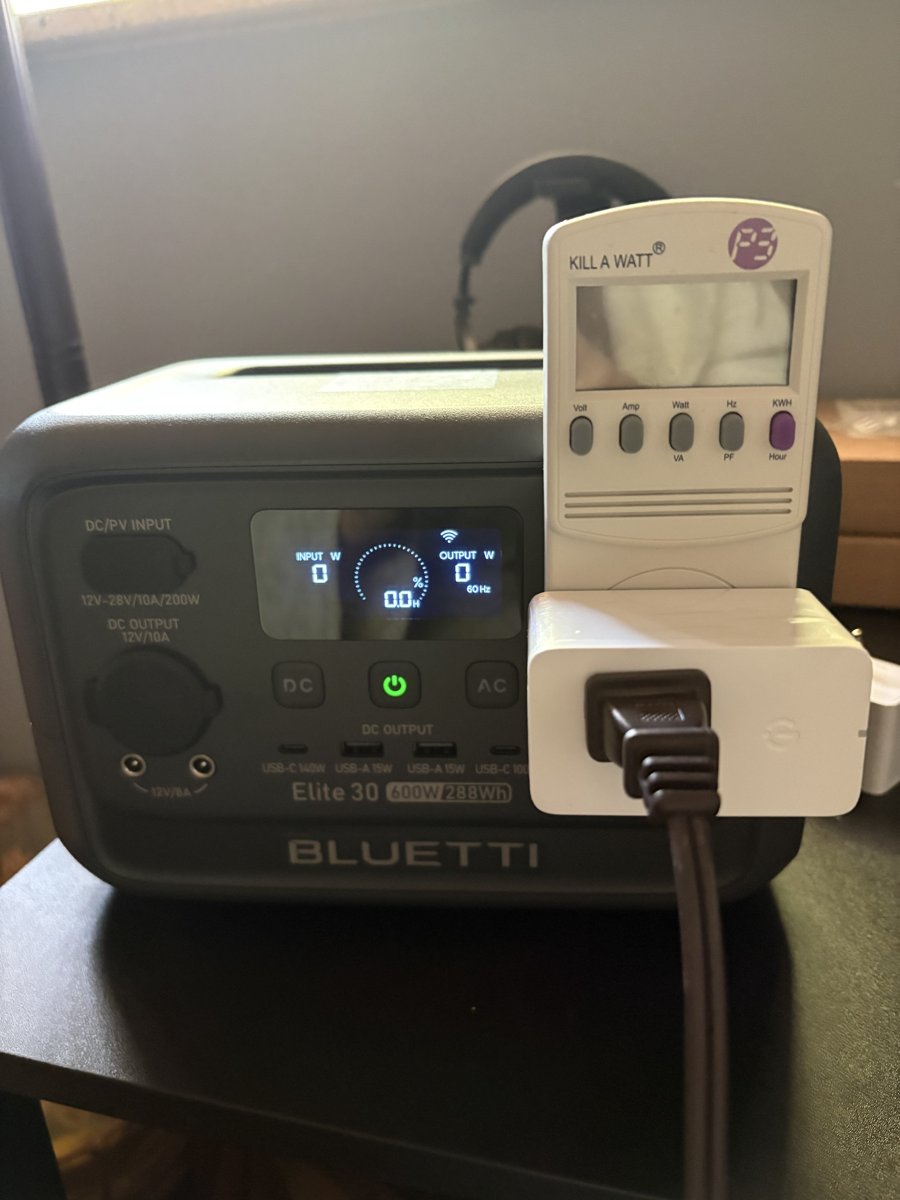
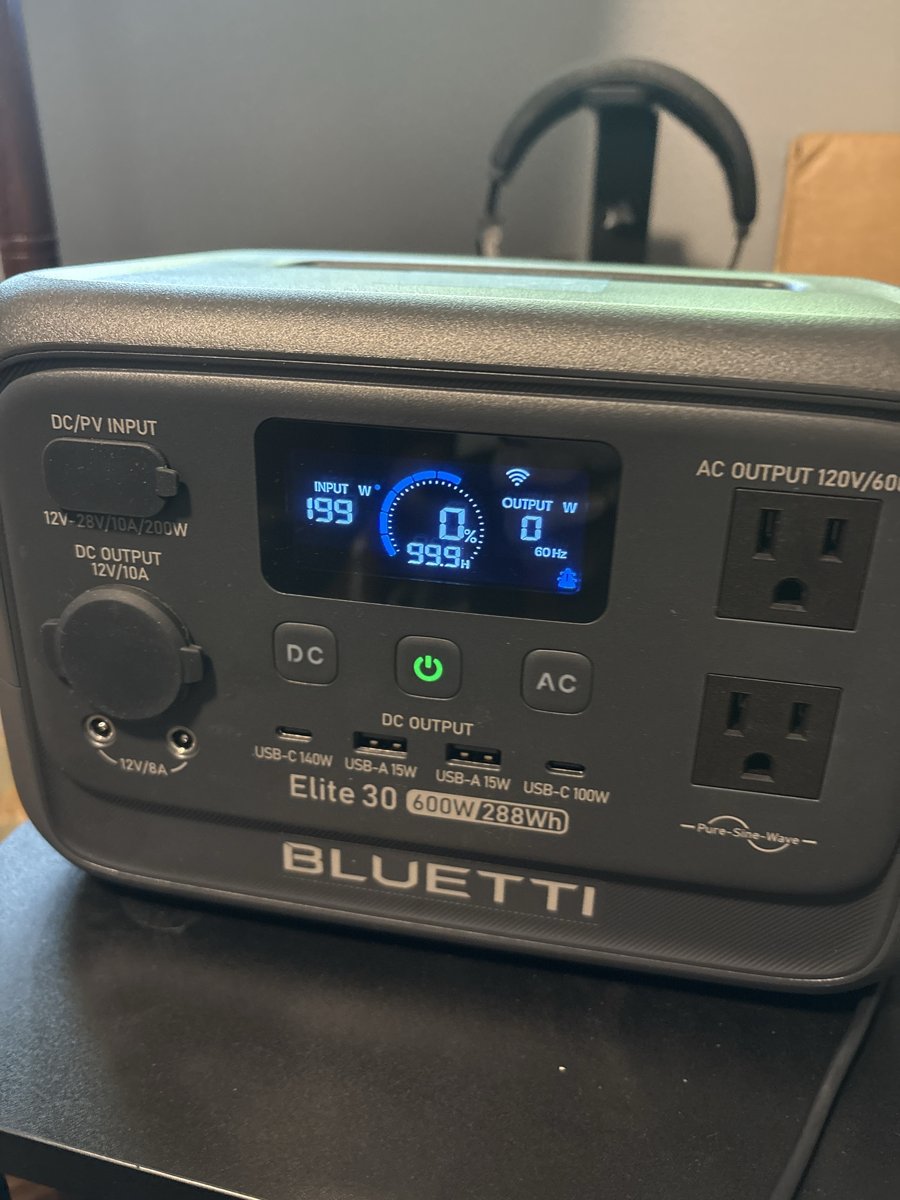
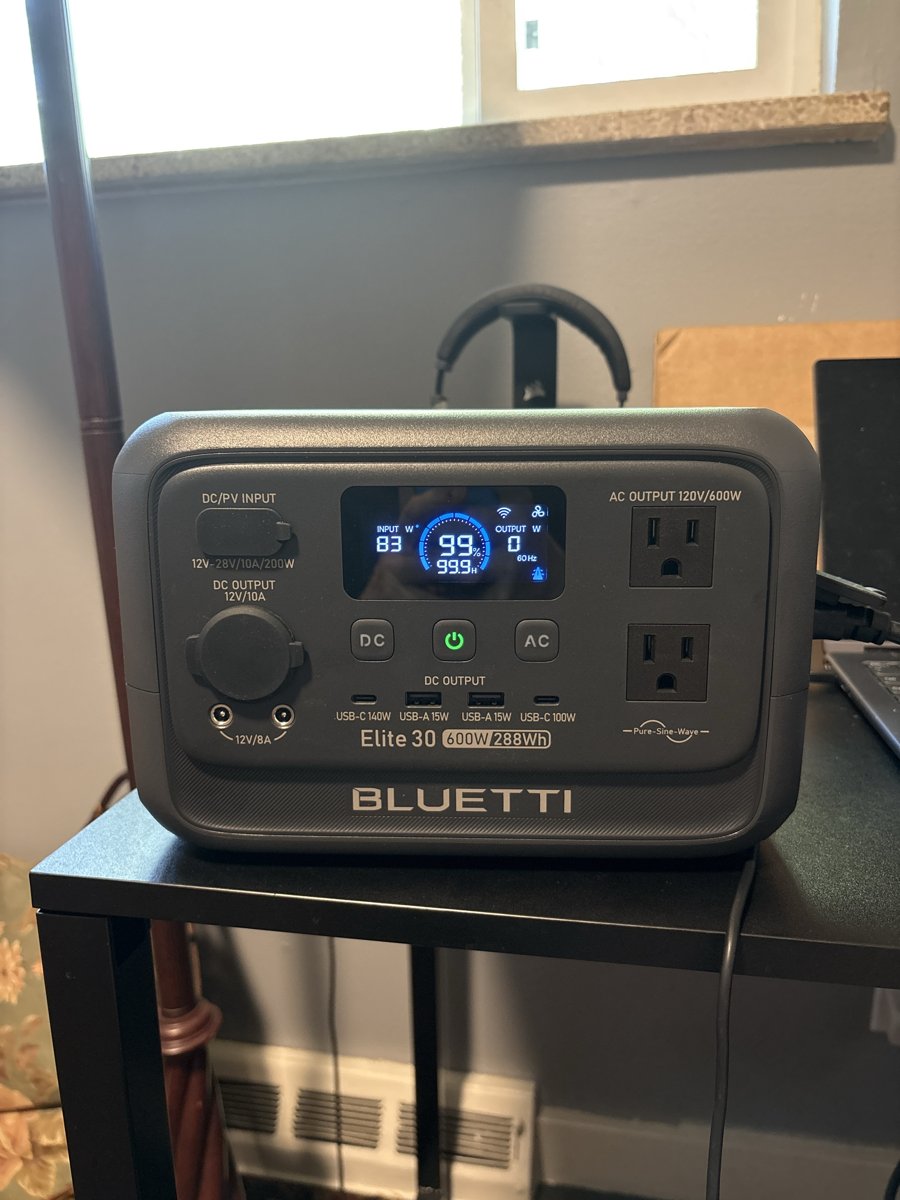
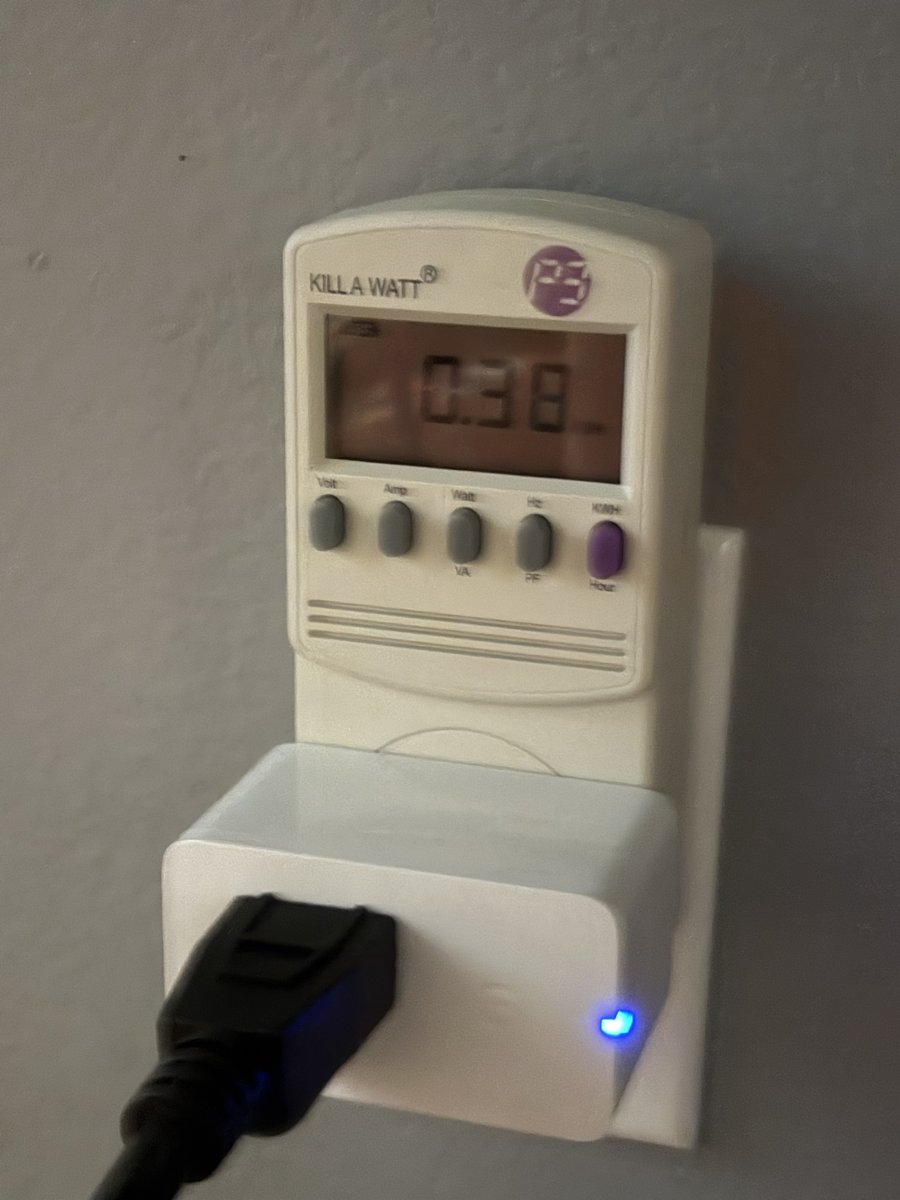
What we learned:
- 288 Wh is battery capacity, not outlet energy. The rating is the cells' DC energy (16 V × 18 Ah). Inverter losses, the unit's own electronics, and a protected battery reserve mean AC appliances got about 79% of it at this light load. Plan on roughly 75–85% of the rated Wh for AC loads with any portable power station.
- The display shows volt-amps, not watts. The Bluetti read 64–67 "W" throughout while two independent meters measured 43 W. With low power-factor loads like LED and fluorescent lighting or electronics, the display overstates real consumption by about half.
- The runtime estimate was conservative. It predicted 4.8 hours at the start; the lamp ran about 5.3 hours. The percentage display isn't linear — the last 20% lasted longer than the first.
- Round trip ≈60%. Roughly 76% on the way in (≈288 Wh stored for 380 Wh from the wall) and 79% on the way out. Part of the loss likely reflects the unit sitting overnight at 0% — its standby draw ate into the reserve, which the recharge then had to refill. A back-to-back cycle at a heavier load is planned to confirm.
- Why it matters: for outage backup, efficiency barely matters. For charging off-peak and discharging at peak, losing ~40% can erase the savings unless the rate difference is large.
- At cutoff the AC output switched off while the unit stayed powered (0%, "0.0 H"). Charging drew ≈200 W, tapering near full. Both ECO mode (on by default) and a smart plug that powers up switched off had to be dealt with before testing — small details that trip up real users.
Method: Bluetti AC outlet → Kill-A-Watt P4400 → Govee H5086 → lamp for discharge; wall → Kill-A-Watt → Govee → Bluetti for recharge. Kill-A-Watt resolution is 0.01 kWh; the Govee's own ≈1 W draw is included in the recharge figure.
September 30, 2026
Setup, app & first impressions
Powered on, paired with the BLUETTI app, and updated firmware through the app as the manual recommends. Before any testing, the setup itself turned up several things a typical buyer would run into.
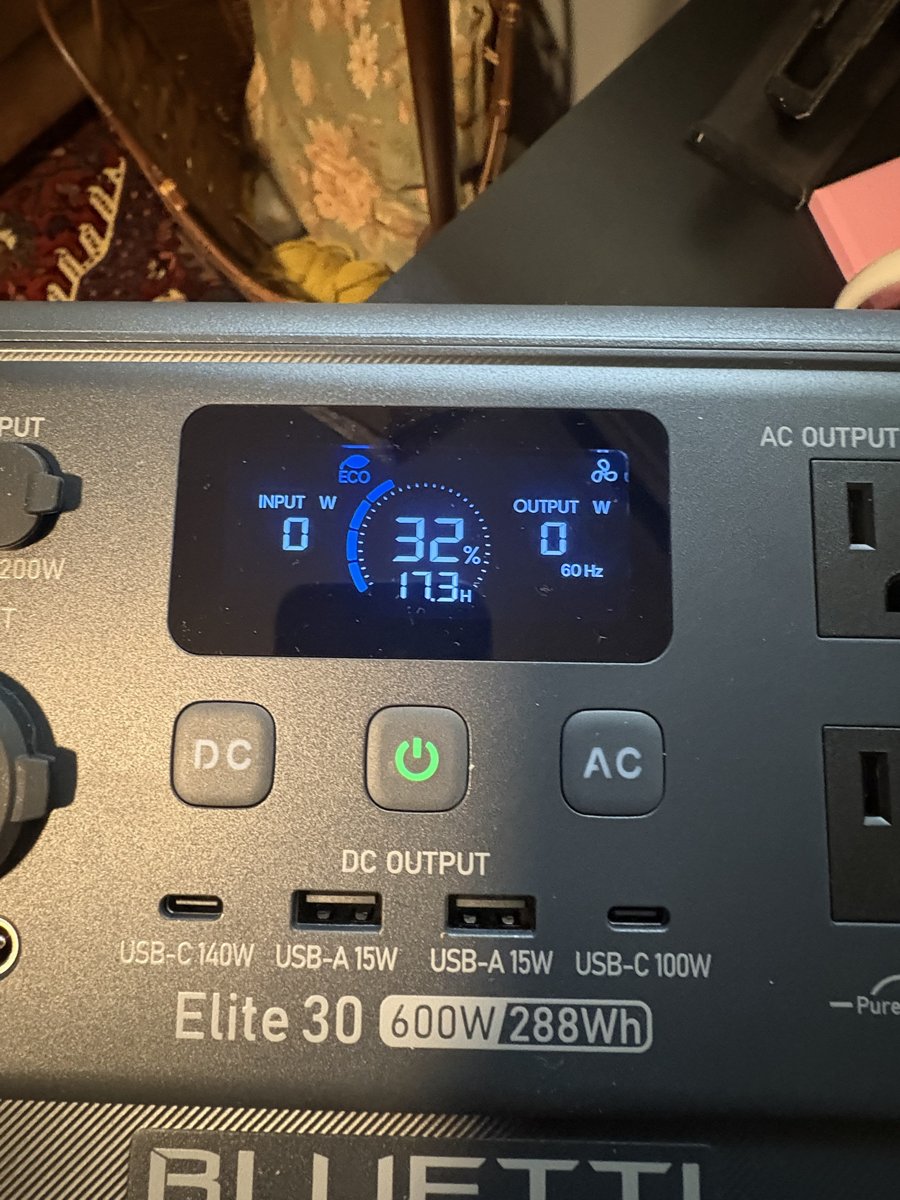
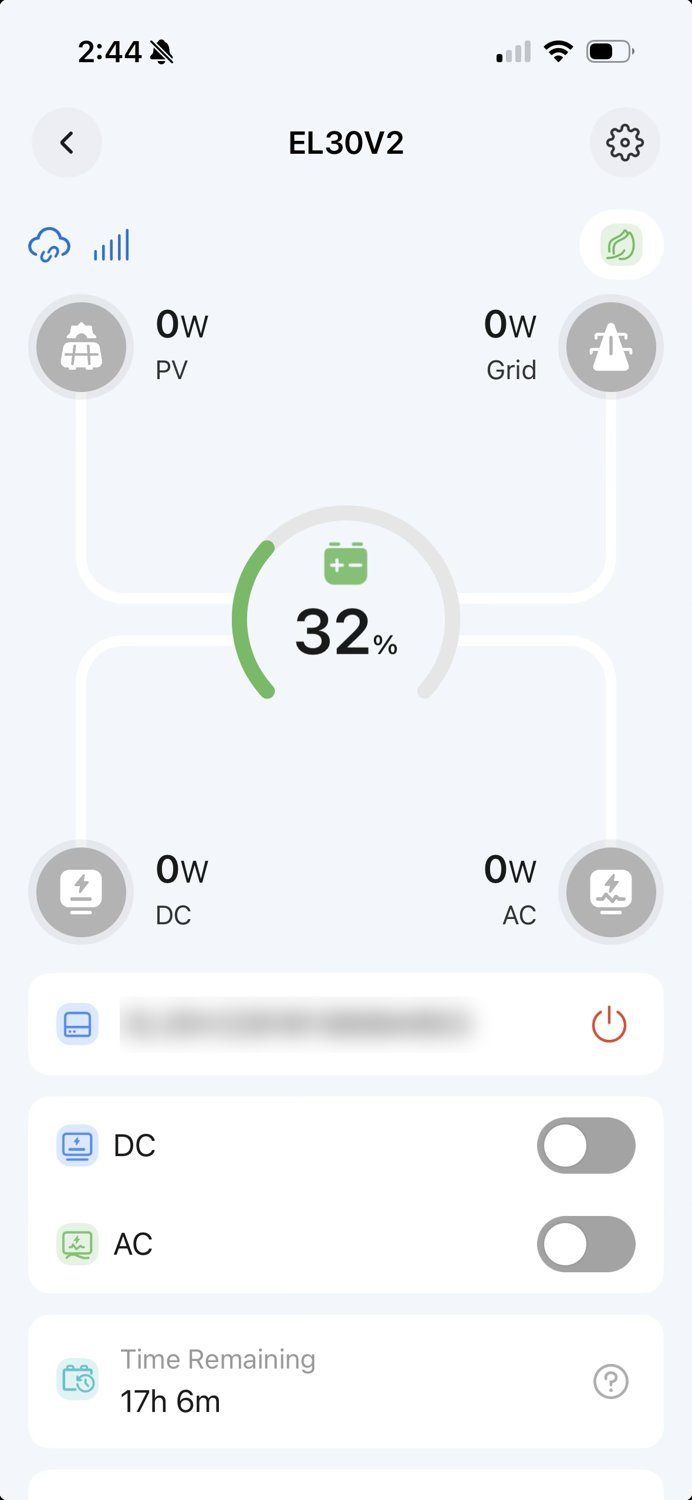
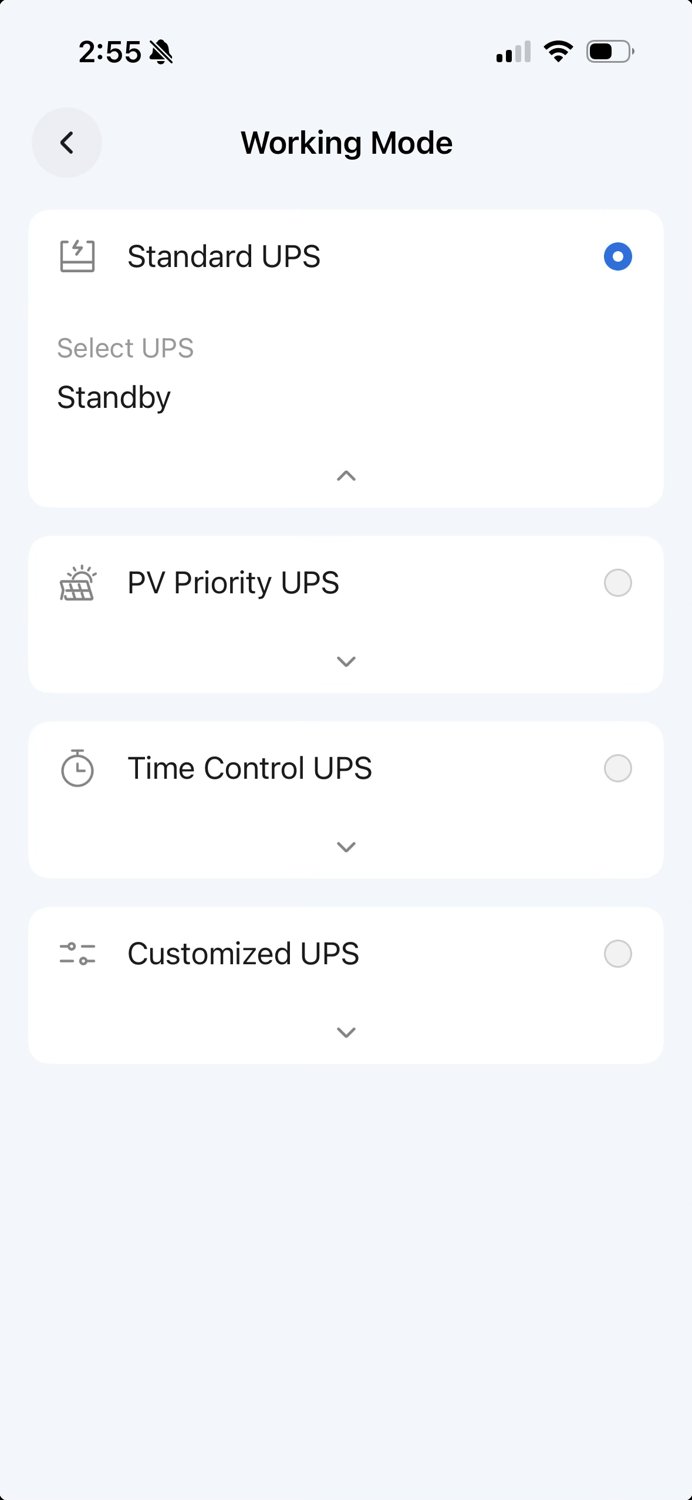
- Arrived at 32% charge — normal for lithium shipping rules, so the first full charge is the natural start of testing.
- ECO mode is on by default. It can switch AC output off under light loads, which would cut a capacity or refrigerator test short. It will be disabled for testing.
- Pairing required a 2.4 GHz Wi-Fi network. Easy with a router that separates bands; a real obstacle on the many mesh and ISP routers that broadcast a single combined network — the same hurdle other devices in this testbed have hit.
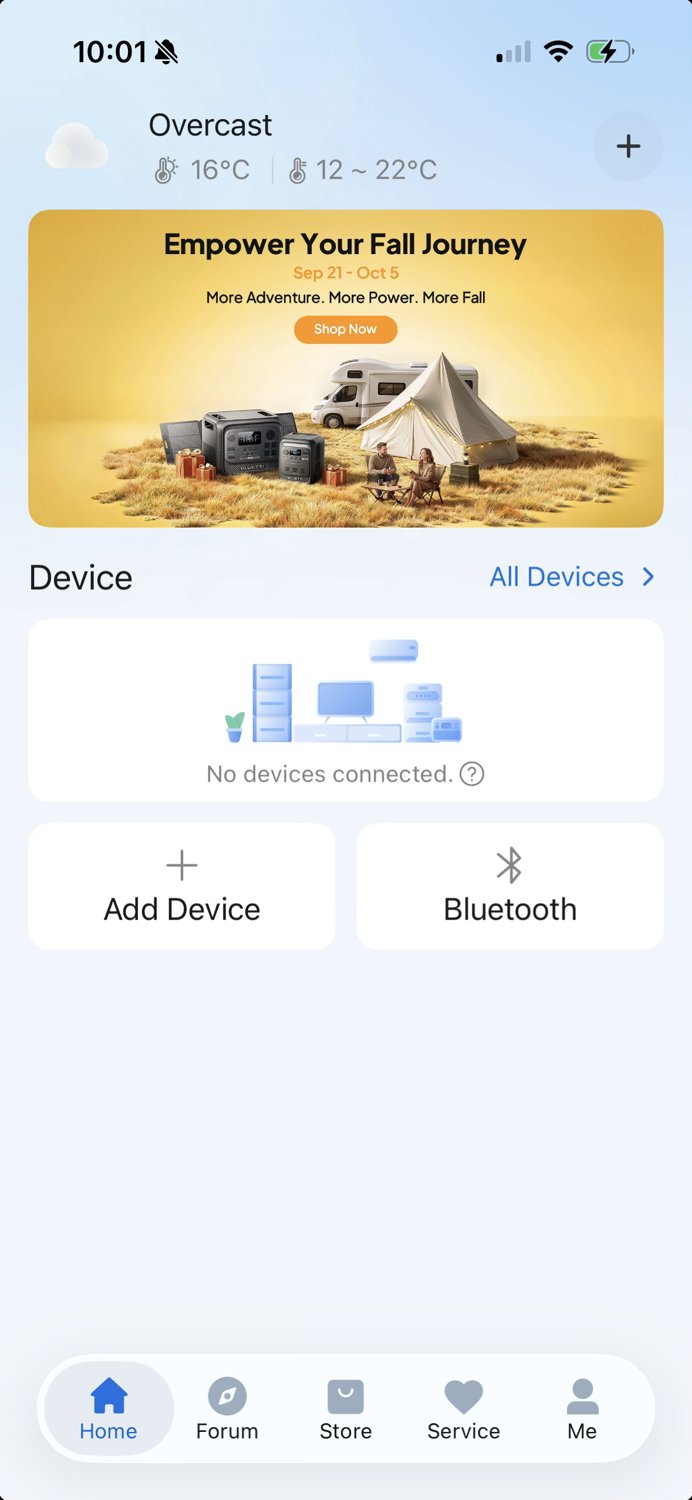
- The app opens on a store promotion, with Forum, Store, and Service tabs alongside device controls.
- Carbon factor defaults to Hong Kong. The app's Carbon Emission Factor reads 0.959 (no units shown) with the location preset to Hong Kong. Changing the location to Centennial, CO did not change it; the value can be edited by hand. For comparison, EPA's eGRID figure for this region is about 0.47 kg CO₂/kWh. Any "CO₂ saved" figure depends on the user knowing to fix this.
- On-device scheduling. Working modes include PV Priority and Time Control UPS — load shifting inside the unit itself. Whether Home Assistant can see or control these is part of the integration test.
- Standby draw to verify. With nothing plugged in, the app's "time remaining" fell steadily, implying roughly 5 W just to stay on. If confirmed, a full unit left switched on would drain in about two days — important for anyone keeping it ready for outages.
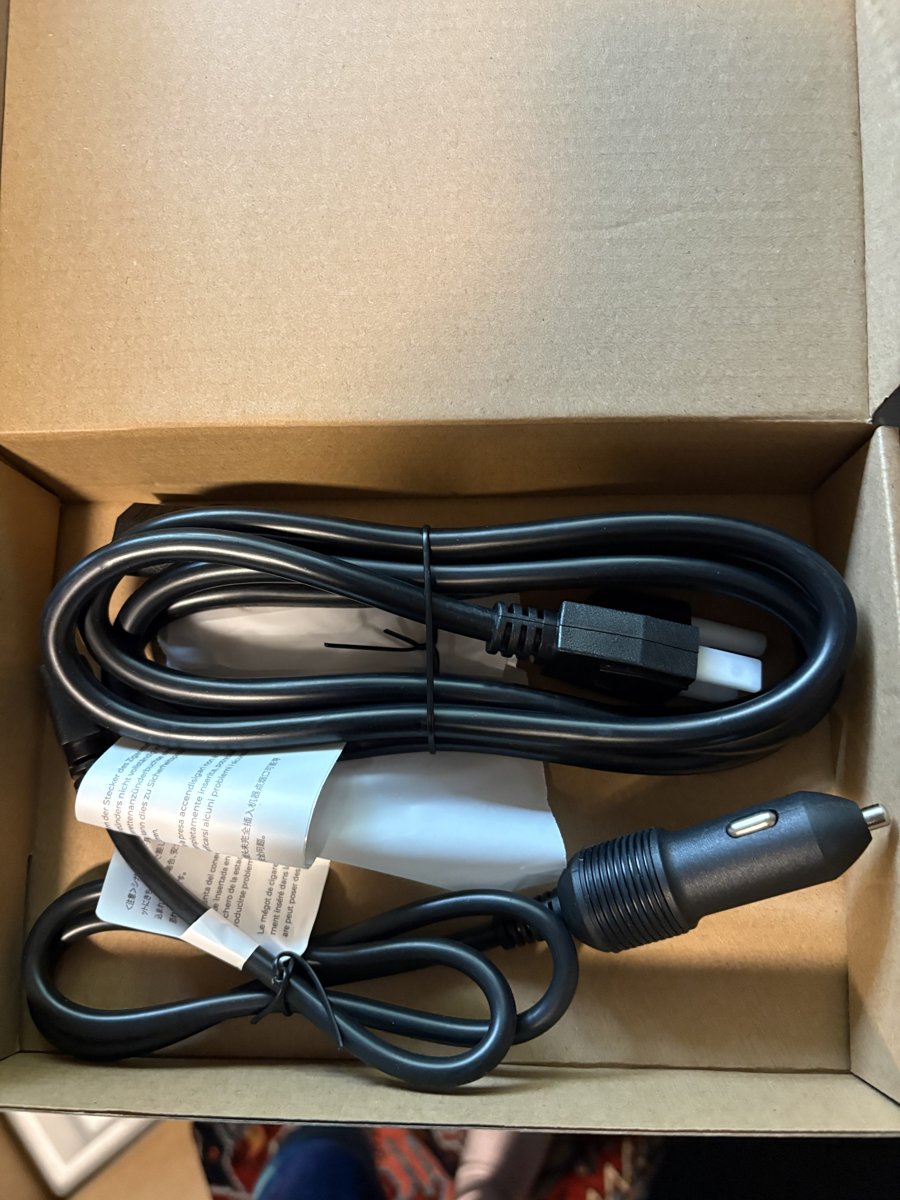
- The AC charging cord is packed in a separate, unmarked accessory box — easy to miss.
September 29, 2026
Unboxing
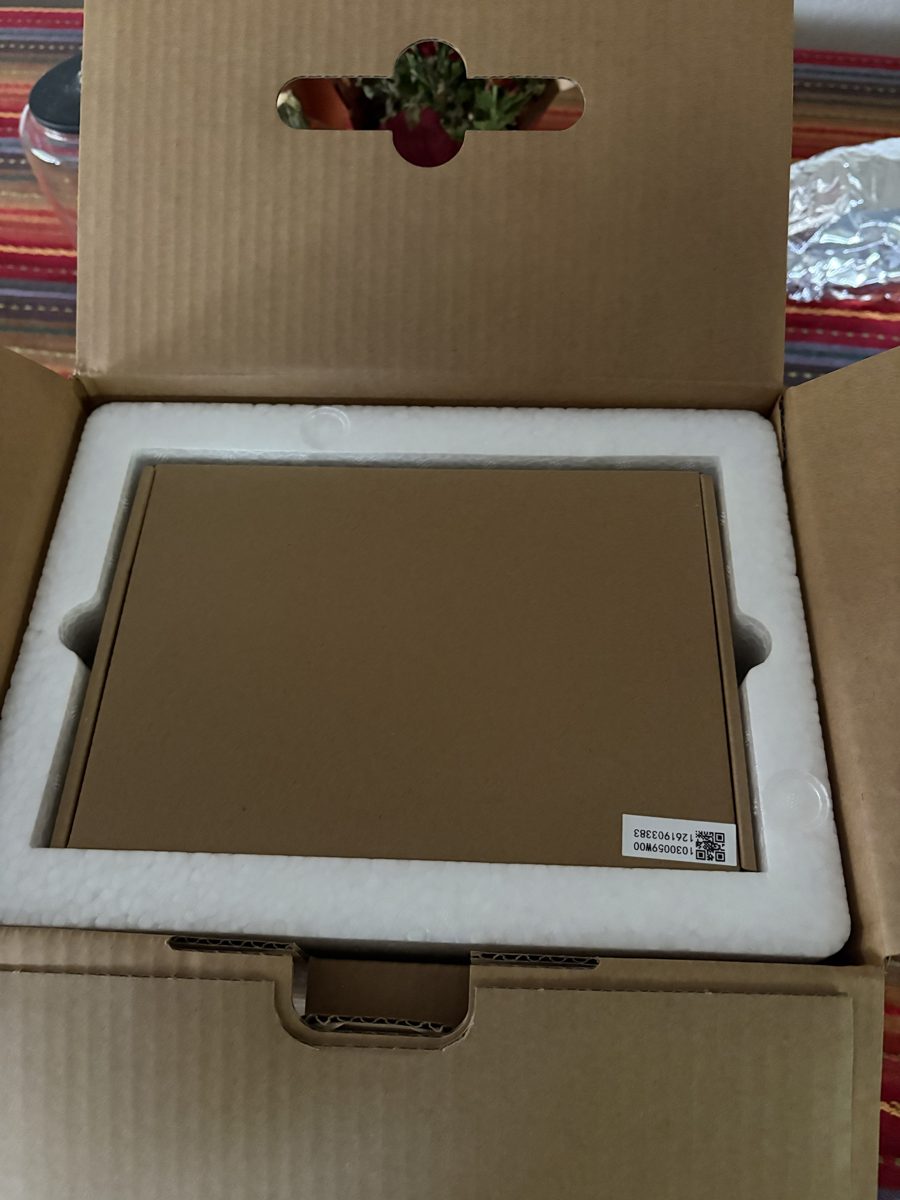
The unit arrived sealed in a plain shipping carton with a retail box inside. Packaging is compact and mostly cardboard, with a foam insert holding the unit and a separate accessory box.
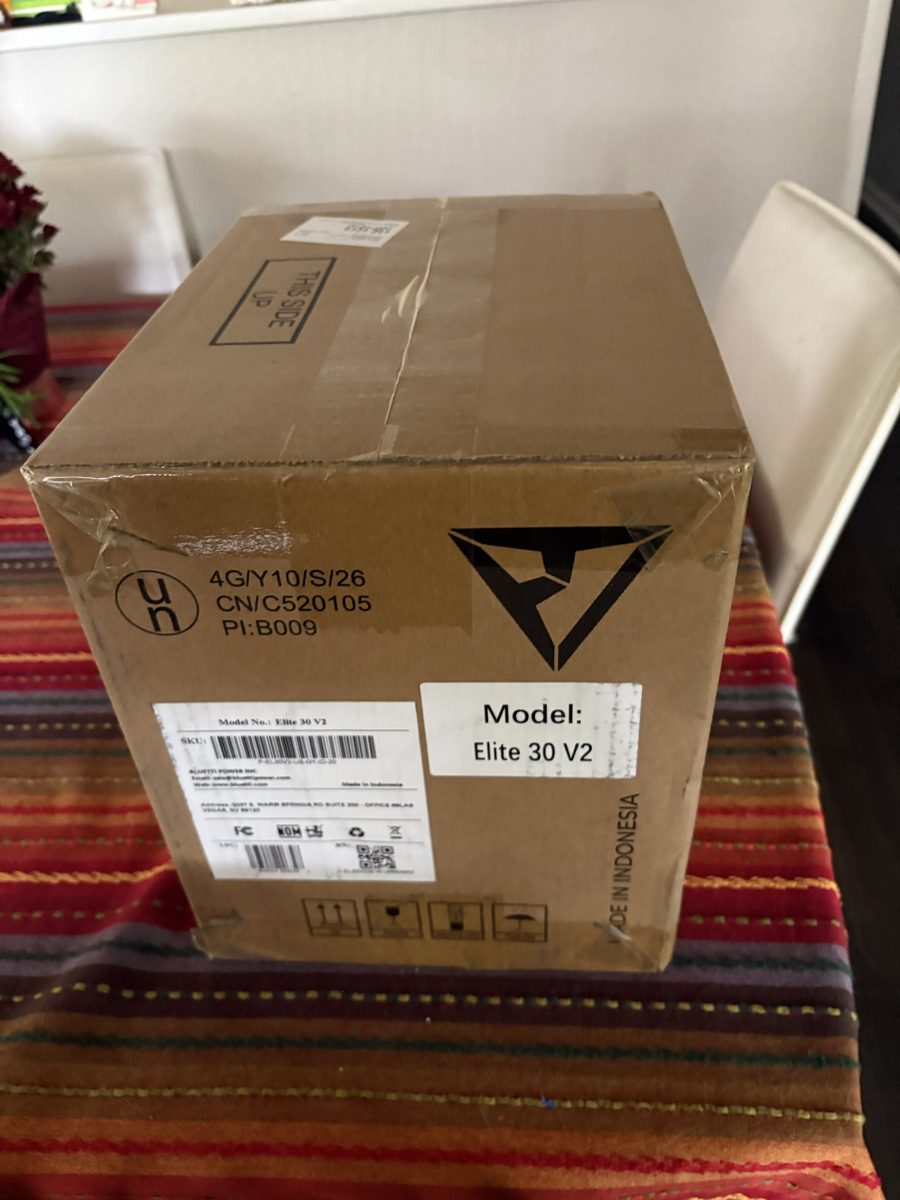
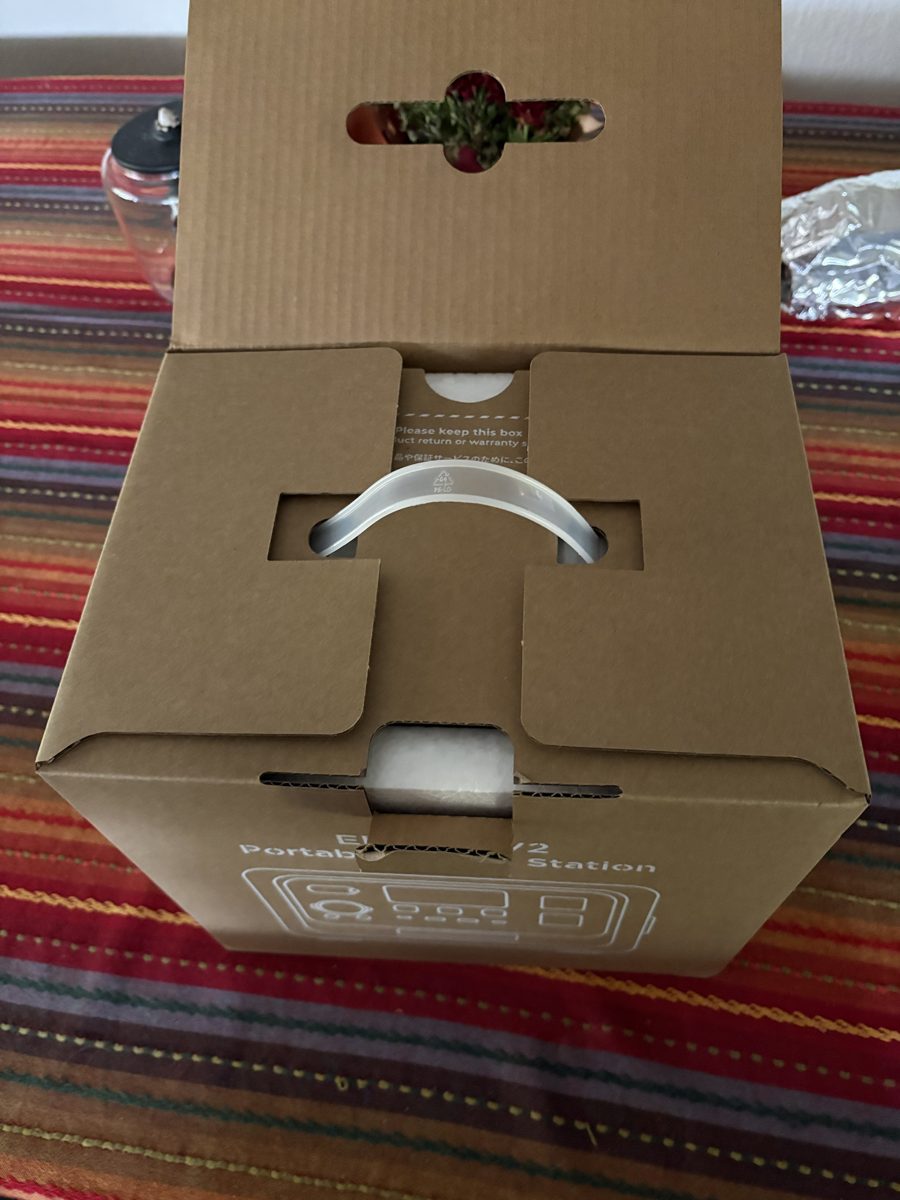
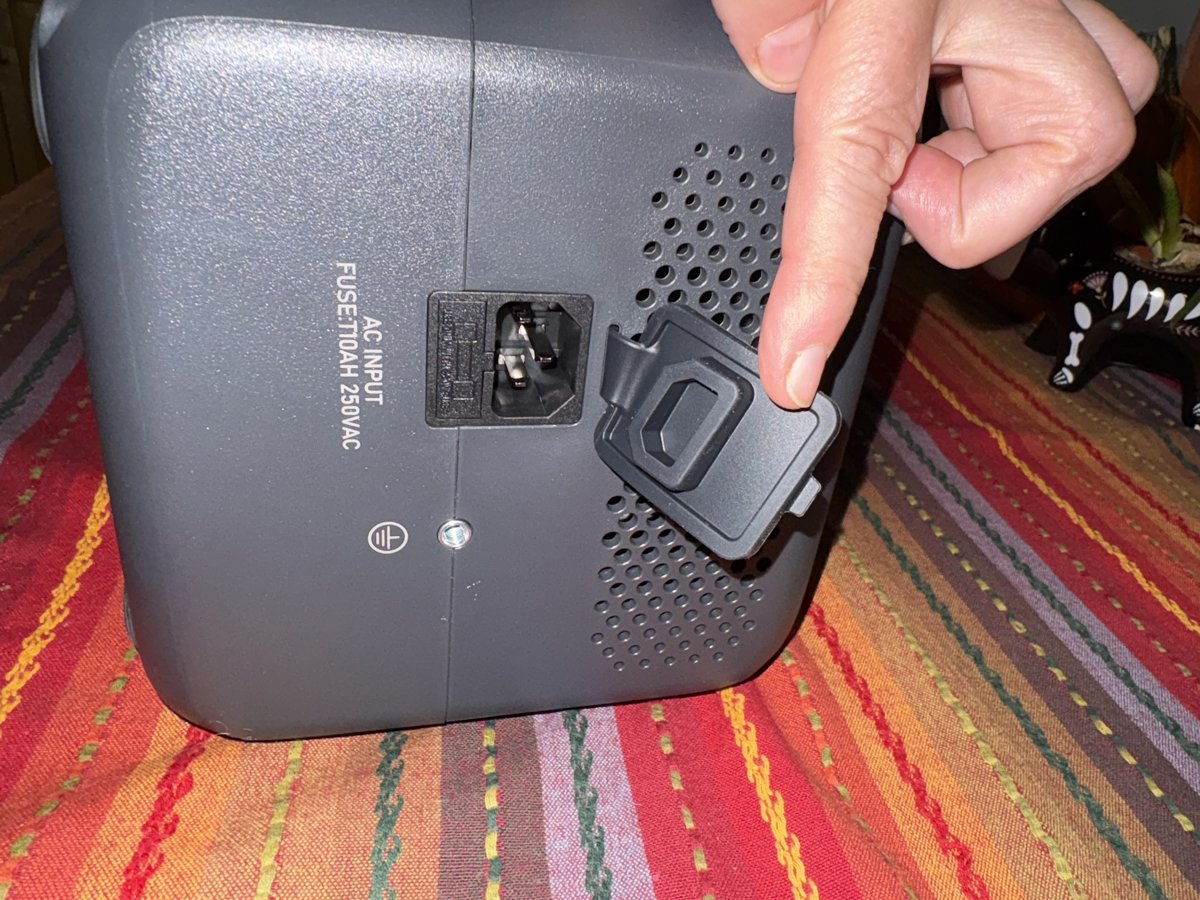
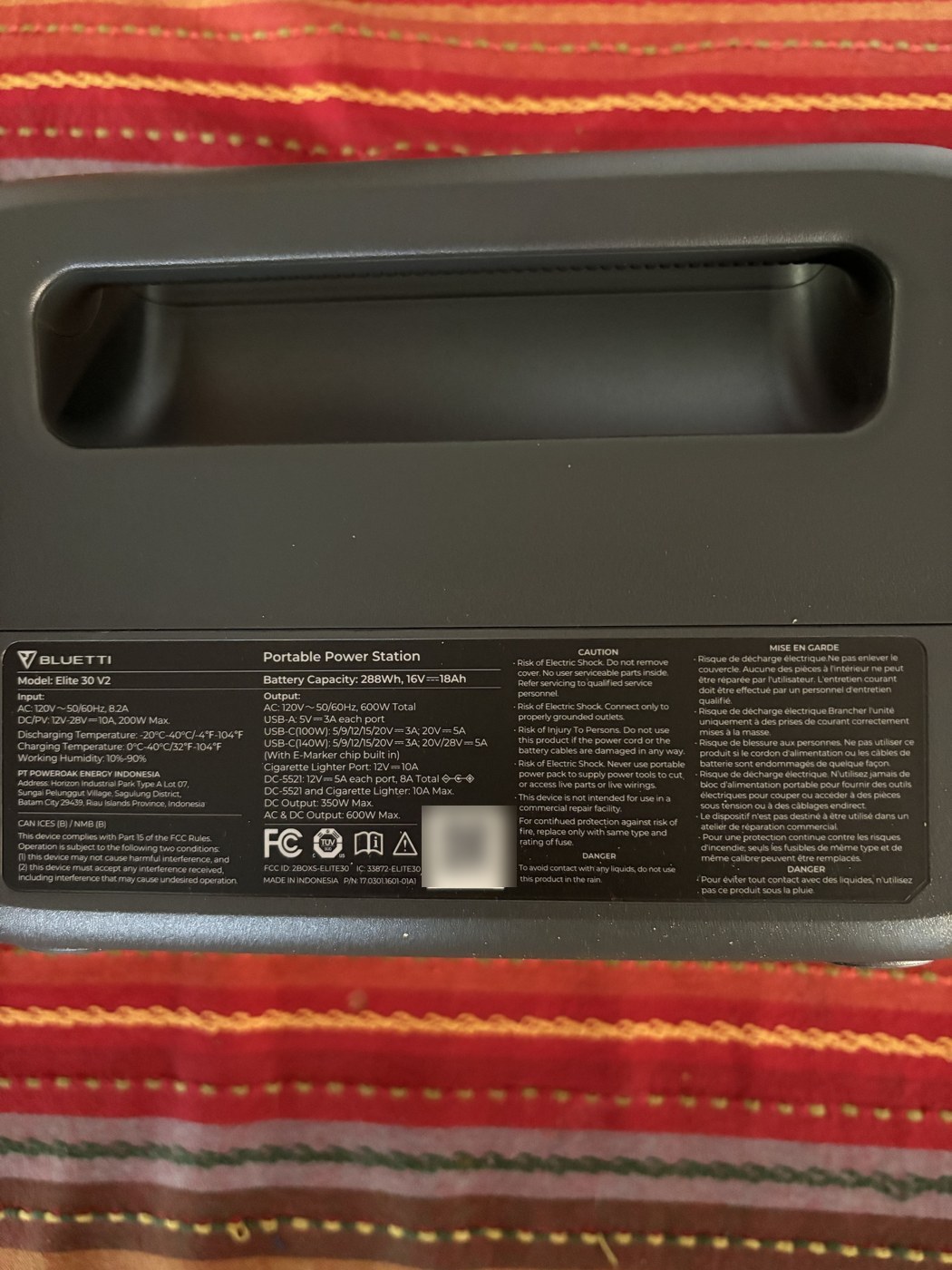
First observations worth noting for small-space installs:
- No charging below freezing. The label rates charging at 0–40 °C (32–104 °F). A unit stored in an unheated shed, garage, or porch won't recharge on cold Colorado days, even with solar connected — though it can still discharge down to −4 °F.
- Low-voltage solar input. The DC/PV port accepts 12–28 V, 200 W max. Many full-size residential panels exceed 28 V open-circuit, so panel compatibility has to be checked before connecting.
- Fast charging draws real current. The AC input is rated 8.2 A at 120 V (~1 kW) — worth a dedicated outlet rather than a shared, loaded circuit.
- Serviceable details. A replaceable 10 A fuse and a grounding screw on the AC-input side.
- Made in Indonesia (PT Poweroak Energy Indonesia, Batam), a supply-chain detail increasingly relevant for U.S. buyers.
See the rest of the testbed
Monthly solar, HVAC, and indoor-conditions data from the same Studio Shed.